Programs and Services That Support Healing
Explore housing, counseling, legal support, and life skills for safety and stability.
Safe Horizons Transitional Housing Program
A Program of Thru The Eyes of The Community Inc.
Comprehensive Program Package
Program Overview
Safe Horizons Transitional Housing Program provides safe, inclusive, trauma-informed housing for men, women, children, and LGBTQTS+ individuals experiencing homelessness, domestic violence, or housing instability.
Length of Stay: 6–24 months.
Program Model: Transitional housing combined with intensive case management and supportive services.
Mission & Vision
Mission: To provide a secure pathway from crisis to independence through safe housing, wraparound services, and community support.
Vision: A community where every individual and family has access to safe, affirming, and stable housing
Target Population
- Survivors of domestic violence
- Homeless individuals and families
- Veterans
- Re-entry
- LGBTQTS+ individuals facing housing discrimination
- Single parents with children
- At-risk youth (18+)
- Individuals transitioning from crisis environments
Core Program Services
- Safe furnished housing with utilities included
- Individualized case management
- Employment and workforce development support
- Financial literacy and credit repair
- Mental health referrals and trauma-informed support
- Parenting and life-skills classes
- Permanent housing transition planning
Program Goals & Expected Outcomes
- 75%+ transition to permanent housing
- 65%+ obtain or increase income
- Reduced repeat homelessness
- Improved financial literacy
- Increased family stability and safety
Staffing Structure
- Program Director
- Housing Case Manager(s)
- Housing Navigator
- Licensed Mental Health Professional (contracted)
- Resident Support Specialist
- Administrative Support
Policies & Procedures Overview
- Zero tolerance for discrimination
- LGBTQTS+ affirming policies
- Confidentiality and safety protocols
- Trauma-informed care standards
- Clear grievance and conflict resolution procedures
Funding Strategy
- Federal and state housing grants
- Victim assistance funding
- Private foundations
- Corporate sponsorships
- Individual donors and fundraising campaigns
Counseling & Support Groups
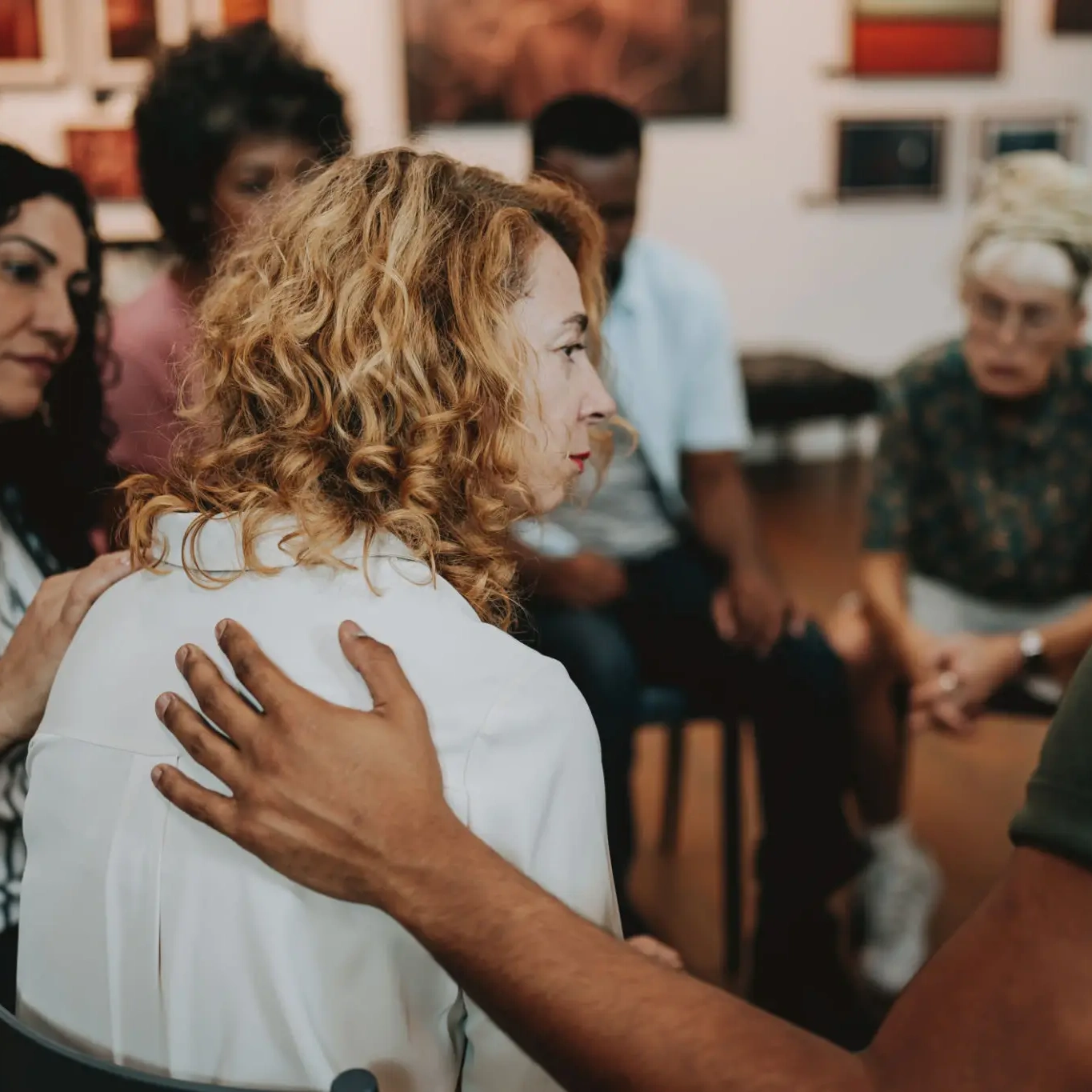
We offer individual and group counseling designed to address trauma, emotional recovery, and personal growth. Support groups create a space for shared understanding and connection, helping survivors reduce isolation, process experiences, and build healthy coping strategies in a compassionate, judgment-free environment.
Legal Aid & Advocacy
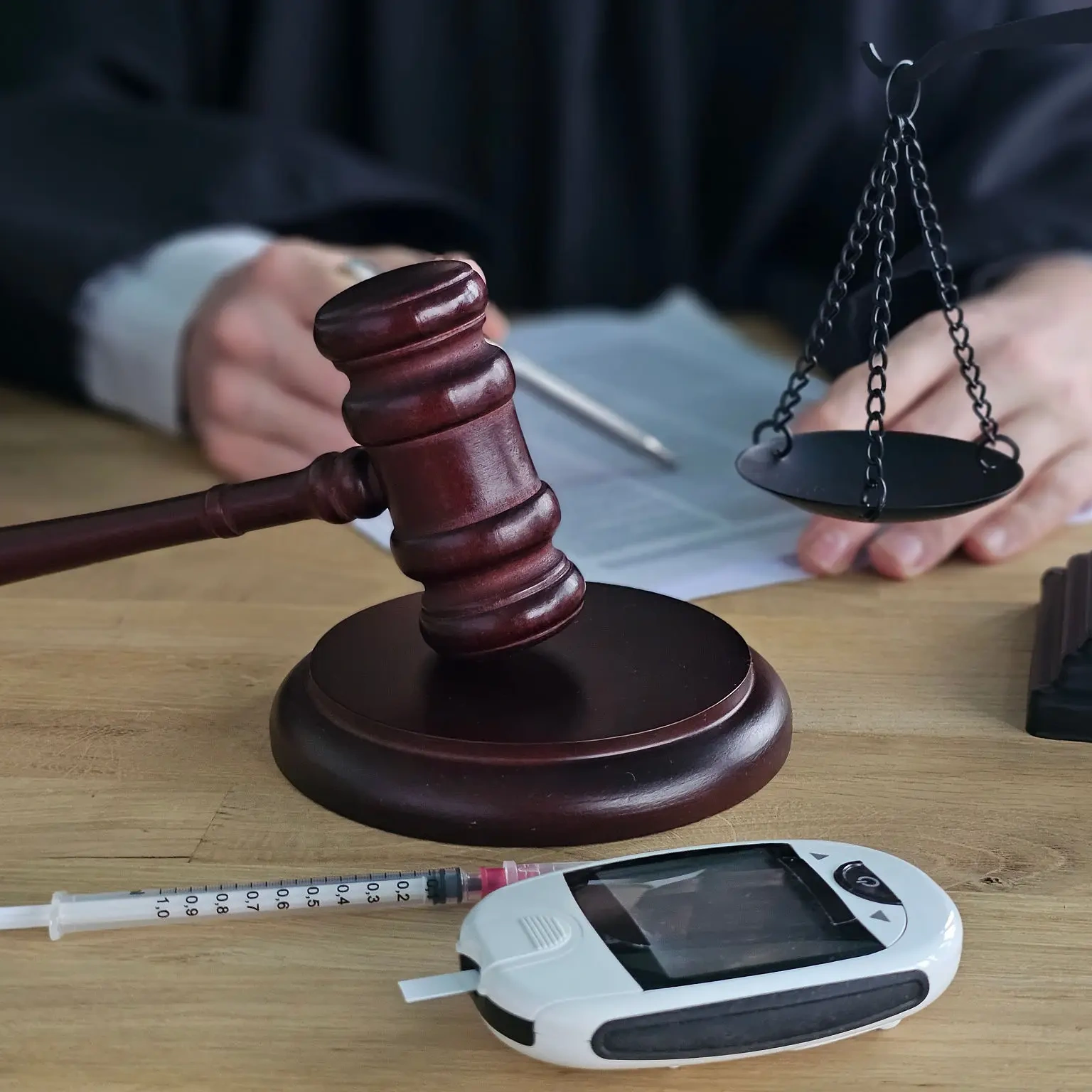
Our legal aid at Thru The Eyes of the Community and advocacy services help survivors navigate complex systems with confidence. We provide guidance on protective orders, housing rights, and related legal matters. Advocacy ensures survivors understand their options, access protection, and feel supported while pursuing safety and justice.
Financial Assistance & Job Training
Financial empowerment is essential to long-term stability. We offer assistance and job readiness support focused on budgeting, employment preparation, and income growth. These services help survivors reduce dependency, strengthen decision-making, and build the financial foundation needed for independent living.

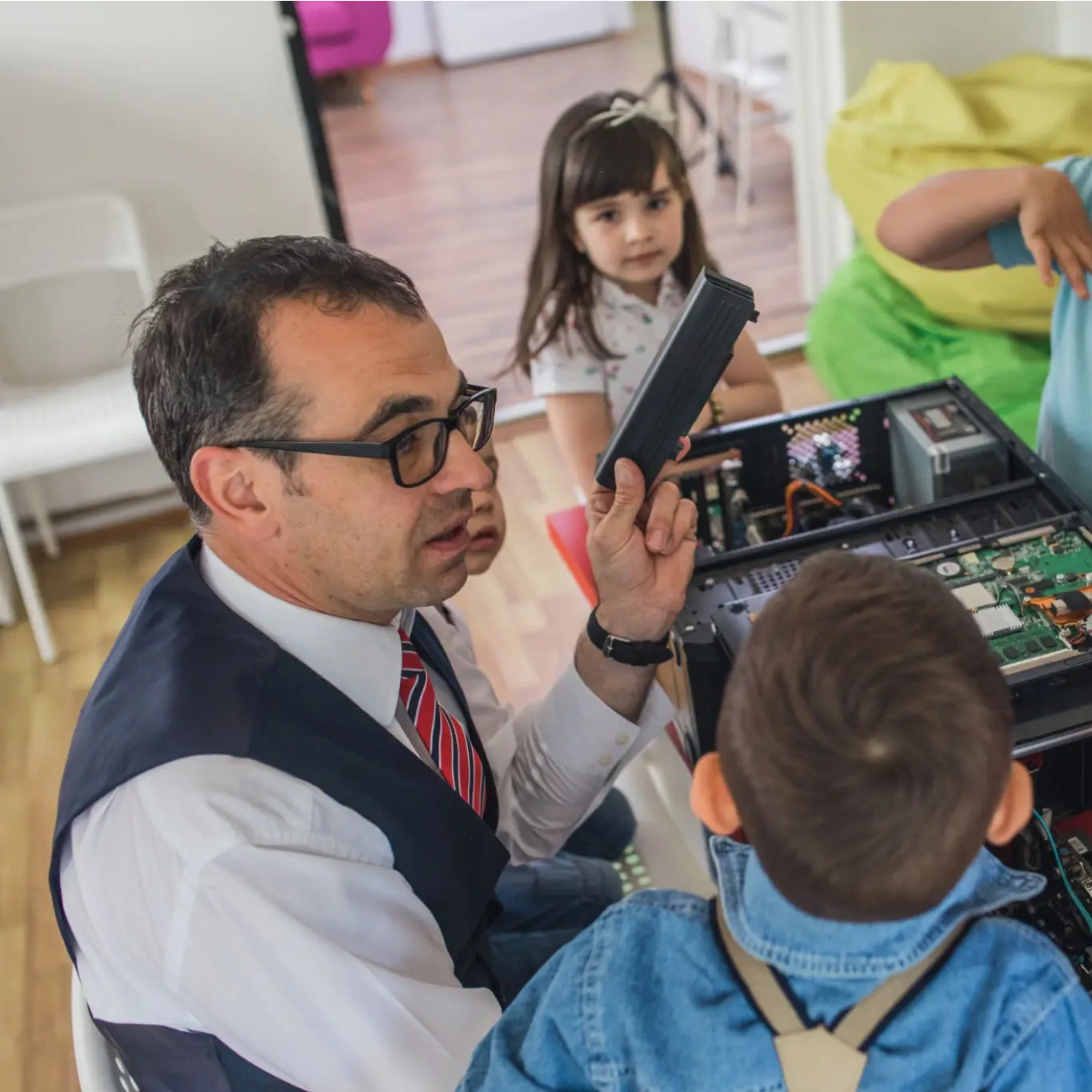
Childcare Services
Our childcare services support parents as they attend counseling, training, or legal appointments. Children are cared for in a safe, nurturing environment that prioritizes stability and routine. This support reduces barriers to participation and helps families focus on healing together.
Community Education: Understanding Domestic Violence
What is Domestic Violence?
Domestic violence (DV) is a pattern of behaviors used to gain or maintain power and control over another person in an intimate or family relationship. It can affect anyone regardless of age, gender, or background.
Types of Domestic Violence
- Physical Abuse: Hitting, slapping, choking, or any physical harm.
- Emotional/Psychological Abuse: Manipulation, humiliation, threats, or isolation.
- Sexual Abuse: Any non-consensual sexual activity or coercion.
- Financial Abuse: Controlling money, preventing employment, or withholding resources.
- Digital Abuse: Monitoring phones, social media, or online harassment.

Myths About Domestic Violence
- Myth: DV only happens in certain communities.
Fact: It can happen to anyone. - Myth: Victims can easily leave.
Fact: Leaving can be the most dangerous time. - Myth: Abuse is always physical.
Fact: Emotional and psychological abuse are just as harmful
Developing a Safety Plan
A safety plan is a personalized plan to stay safe while in or leaving an abusive situation:
- Identify safe places to go in an emergency
- Keep important documents accessible
- Create a code word with trusted individuals
- Pack an emergency bag if possible
- Memorize important phone numbers
- Trust your instincts and prioritize safety

Thru The Eyes of The Community Inc.
LGBTQ+ Youth & Adult Transitional Housing Program
Thru The Eyes Pride Housing Initiative
Program Overview
The LGBTQ+ Youth & Adult Safe Haven Transitional Housing Program provides affirming, trauma-informed housing for LGBTQ+ youth (16–24) and adults (25+) experiencing homelessness in the St. Louis, Missouri region. The program offers 6-24 months of transitional housing with wraparound services designed to promote long-term stability and independence.
Statement of Need - St. Louis, Missouri
Missouri reported over 6,000 individuals experiencing homelessness in recent counts, including more than 1,900 youth and young adults. In St. Louis, nearly 45% of youth seeking shelter are turned away due to lack of capacity. LGBTQ+ youth are disproportionately represented among homeless populations due to family rejection and discrimination. Additionally, transgender adults report significant barriers to accessing safe shelter placements.
Program Structure (6-24 Months)
- Phase 1: Stabilization (0-6 Months) - Safe housing placement, case management, mental health referrals, safety planning, and basic needs support.
- Phase 2: Development & Empowerment (6-12 Months) - Employment readiness, financial literacy, education support, and legal advocacy.
- Phase 3: Transition & Independence (12-24 Months) - Permanent housing search assistance, landlord advocacy, savings plans, and alumni mentorship.
Core Services
- Affirming transitional housing
- Individualized case management
- Mental health and wellness referrals
- Workforce development support
- Education and certification pathways
- Healthcare and legal referrals
- Peer support and mentorship
Program Goals & Outcomes
- 70% of participants secure employment or income prior to exit.
- 60% transition into stable permanent housing.
- Increased financial literacy and employment readiness.
- Improved mental wellness and reduced crisis re-entry.
Thru The Eyes of The Community Inc. is committed to providing safe, affirming housing that empowers LGBTQ+ youth and adults to heal, grow, and achieve long-term independence.

Healthcare Services
Access to healthcare is critical during recovery. We connect survivors with physical and mental health resources that support overall well-being. These services address immediate needs while encouraging long-term health, helping survivors regain strength, balance, and confidence in their healing journey.
Thru The Eyes Of The Community Inc. Aftercare Support Program (12-Month Continuum of Care)
Program Overview
The Aftercare Support Program is a structured, trauma-informed continuation of services for individuals who have successfully completed one of our housing programs. This program provides up to 12 months of follow-up support to ensure long-term housing stability, prevent recidivism into homelessness, and reduce the likelihood of returning to unsafe or abusive environments. The program emphasizes empowerment, independence, and sustained connection to community resources.
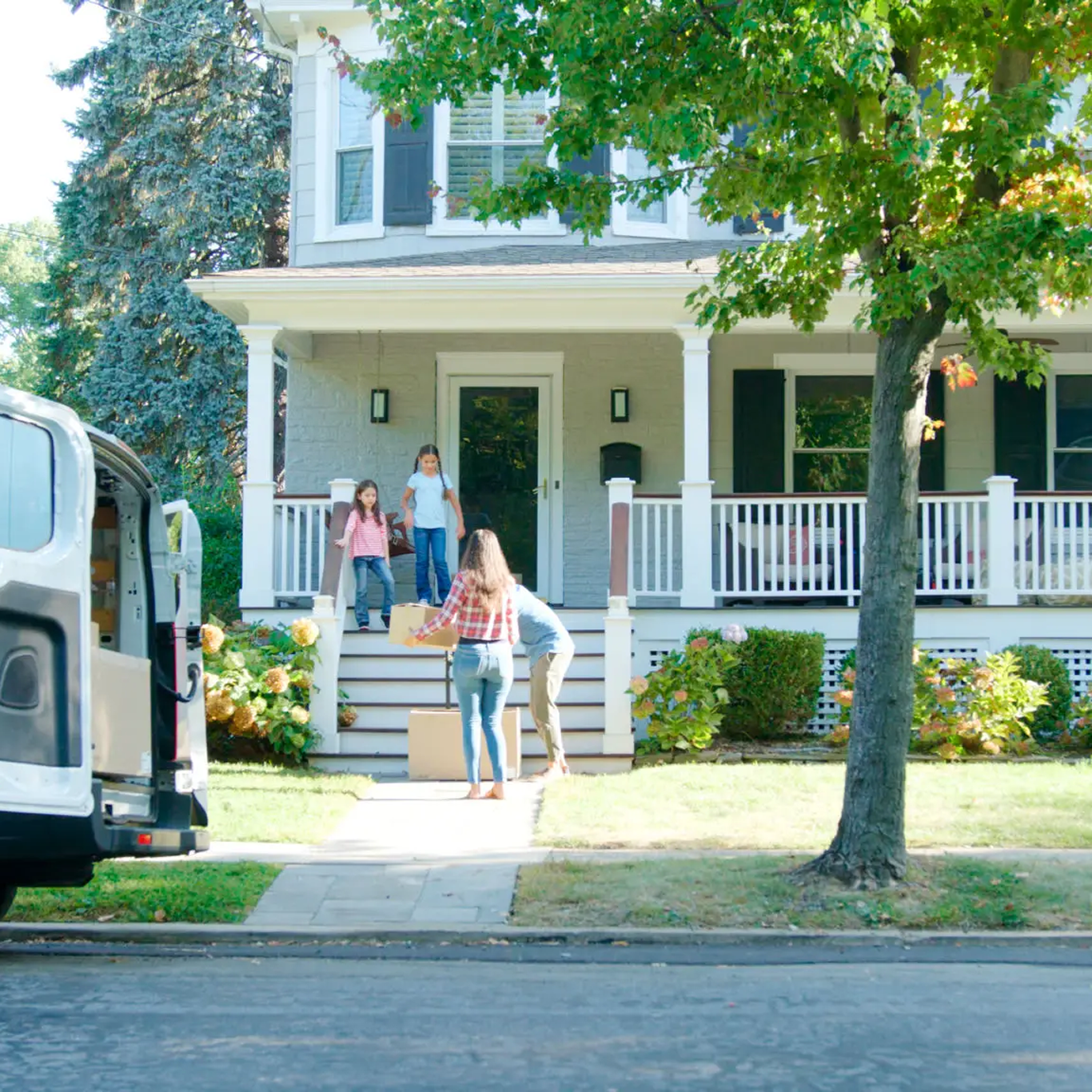
Program Goals
- Prevent return to homelessness through ongoing stabilization support
- Reduce the risk of returning to abusive or unsafe environments
- Support continued economic stability and employment retention
- Strengthen independent living skills and self-sufficiency
- Maintain connection to safe, supportive community networks
Eligibility
Participants must be graduates of a Thru The Eyes Of The Community Inc. housing program and have secured stable housing at exit. Participants agree to voluntary follow-up engagement for up to 12 months
Core Aftercare Services
1. Case Management & Check-Ins
- Monthly check-ins (in-person, phone, or virtual)
- Quarterly in-home or community visits (as appropriate)
- Individualized support plans updated as needed
2. Housing Stability Support
- Landlord mediation and advocacy
- Eviction prevention assistance and referrals
- Budgeting support for rent and utilities
- Connection to emergency assistance when needed
3. Safety & Relapse Prevention (DV-Informed)
- Ongoing safety planning and risk assessment
- Crisis response support and safety check-ins
- Connections to confidential advocacy and hotlines
- Support in maintaining boundaries from abusers
4. Economic Empowerment
- Employment retention support and job coaching
- Workforce development and training referrals
- Financial literacy, budgeting, and savings plans
- Access to benefits and income supports
5. Wellness & Support Services
- Mental health and counseling referrals
- Peer support groups and alumni engagement
- Substance use recovery referrals (as needed)
- Health care and wellness navigation
6. Life Skills & Independence
- Time management and goal-setting coaching
- Conflict resolution and communication skills
- Parenting support (when applicable)
- Community integration and resource navigation
12-Month Engagement Plan
| Months 1–3 | Bi-weekly contact; intensive stabilization support |
| Months 4–6 | Monthly check-ins; skill-building and monitoring |
| Months 7–9 | Monthly or as-needed support; focus on independence |
| Months 10–12 | Graduated support; transition to alumni status |
Expected Outcomes
- 85% of participants remain stably housed after 12 months
- 70% maintain or increase income/employment
- 75% demonstrate improved financial management
- Reduced re-entry into unsafe or abusive situations
- Increased connection to community and support networks
Evaluation & Tracking
Participant progress will be tracked through case management documentation and, when applicable, HMIS data systems. Key indicators include housing stability, income changes, service engagement, and safety outcomes. Participant feedback surveys will also be used to improve program effectiveness.
Staffing Structure
- Aftercare Case Manager(s)
- Program Supervisor
- Peer Support Specialist (optional)
- Partnerships with external service providers
Sustainability
The Aftercare Support Program will be sustained through a combination of public funding (HUD/CoC where applicable), private grants, donations, and community partnerships. The program is designed to be scalable and integrated across all housing initiatives offered by the organization.
Program Philosophy
Graduation is not the end—it is the beginning of sustained independence. Thru The Eyes Of The Community Inc. remains committed to walking alongside participants beyond program completion to ensure long-term safety, stability, and success.
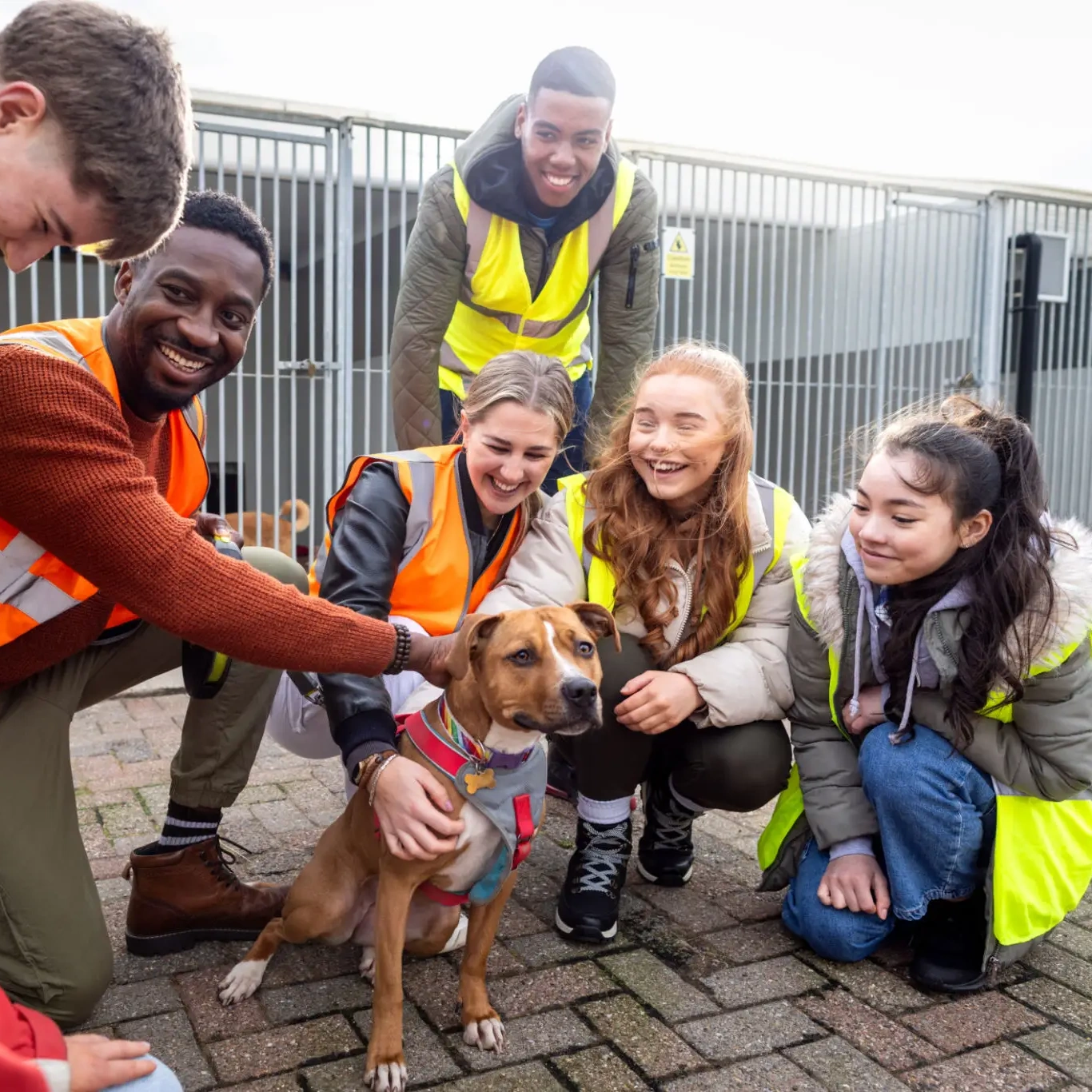
Pet Friendly Shelter
Our pet-friendly shelter ensures survivors do not have to choose between safety and their animals. By accommodating pets, we reduce barriers to seeking help and preserve an important source of emotional comfort during times of transition and recovery.

Transportation
Transportation assistance helps survivors reach essential appointments, employment opportunities, and services. Reliable access reduces isolation and removes practical barriers, allowing individuals to stay engaged in programs that support stability, independence, and progress toward long-term goals.
Therapeutic Garden
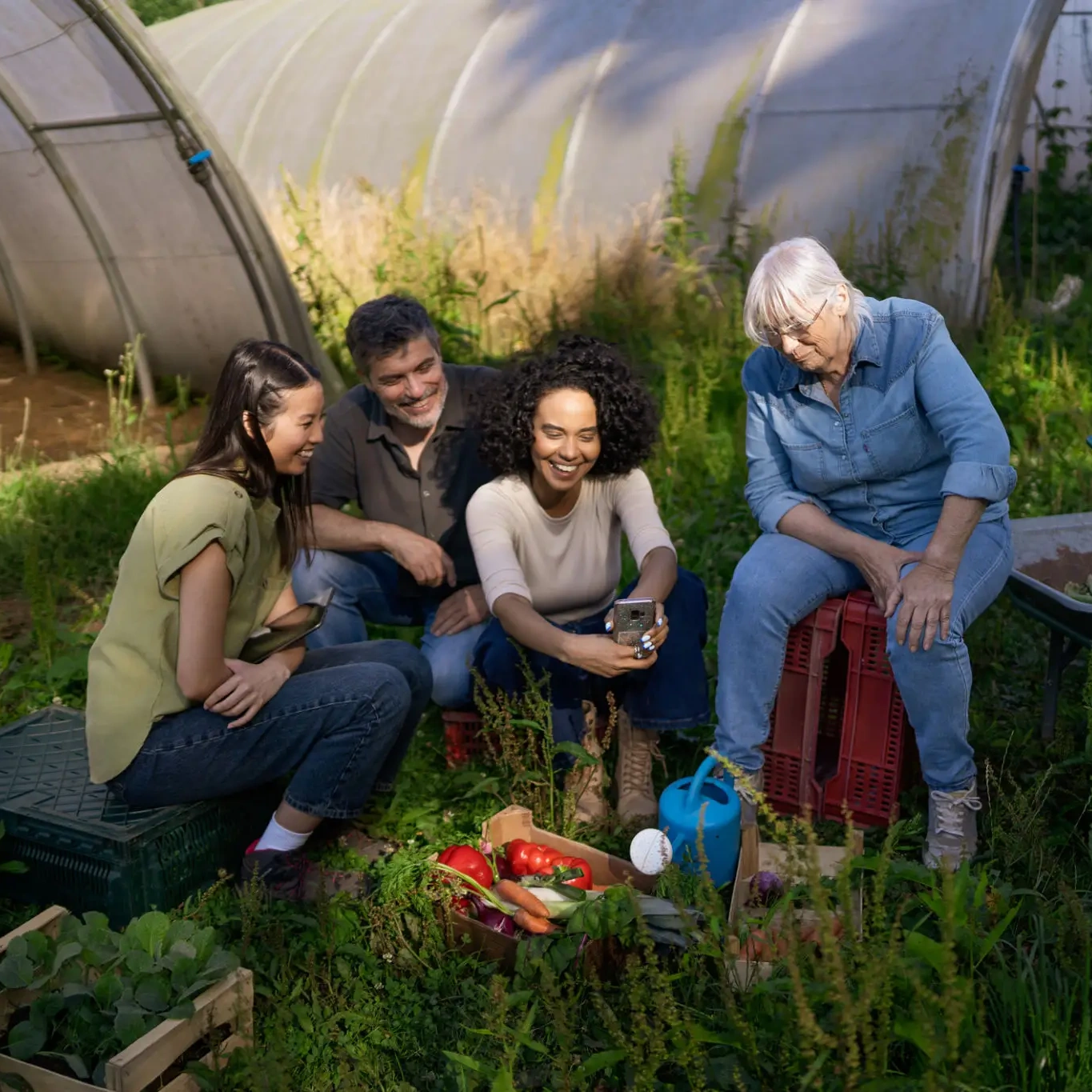
The therapeutic garden offers a peaceful environment where survivors can engage in restorative activities. Gardening supports emotional regulation, stress reduction, and mindfulness. This space encourages reflection, healing, and renewed connection with self through nature-based therapeutic practices.
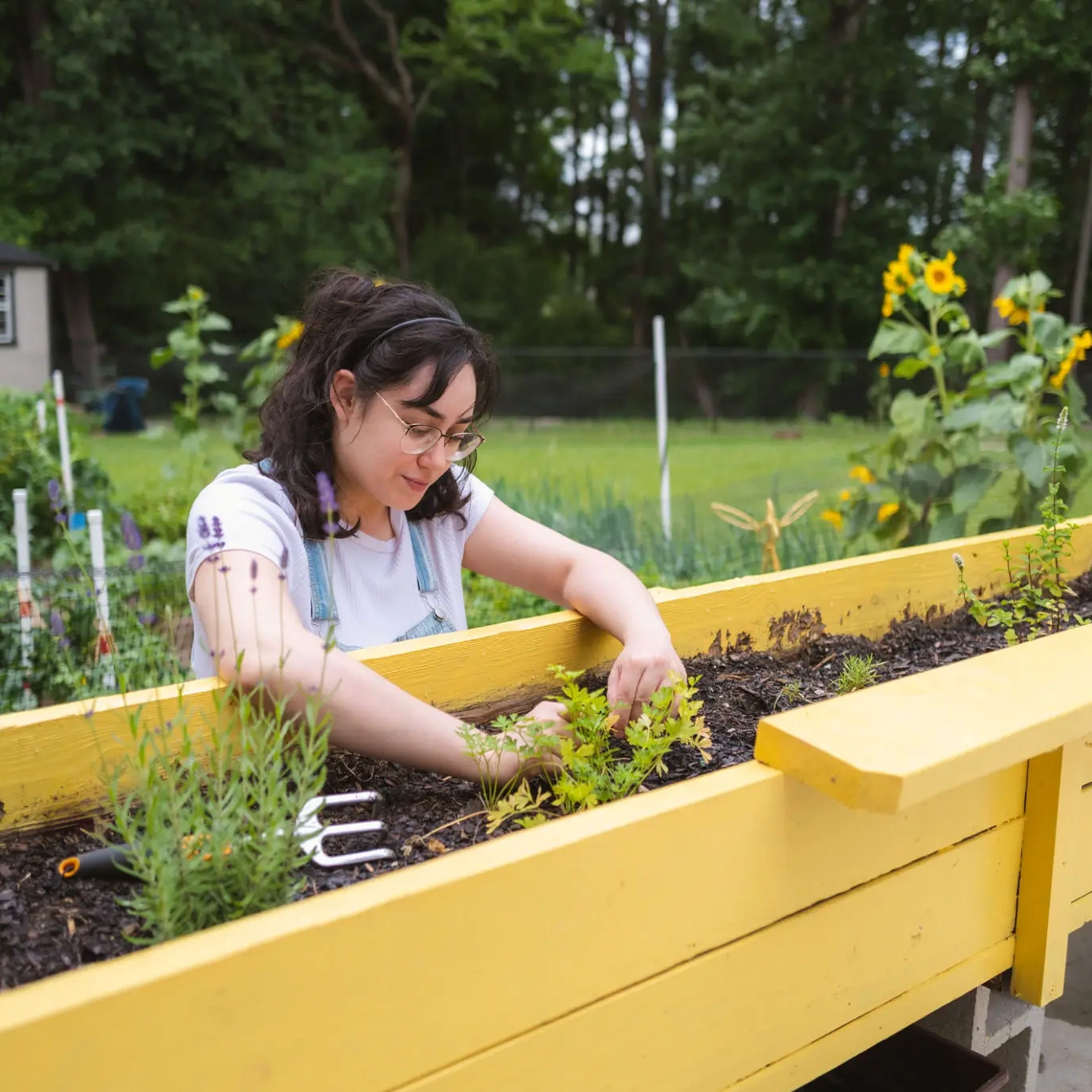
Community Garden
Our community garden brings survivors and community members together through shared purpose. Collaborative gardening builds relationships, fosters belonging, and supports mental well-being. The garden strengthens community ties while promoting cooperation, growth, and mutual support.
24/7 Crisis Support Resources
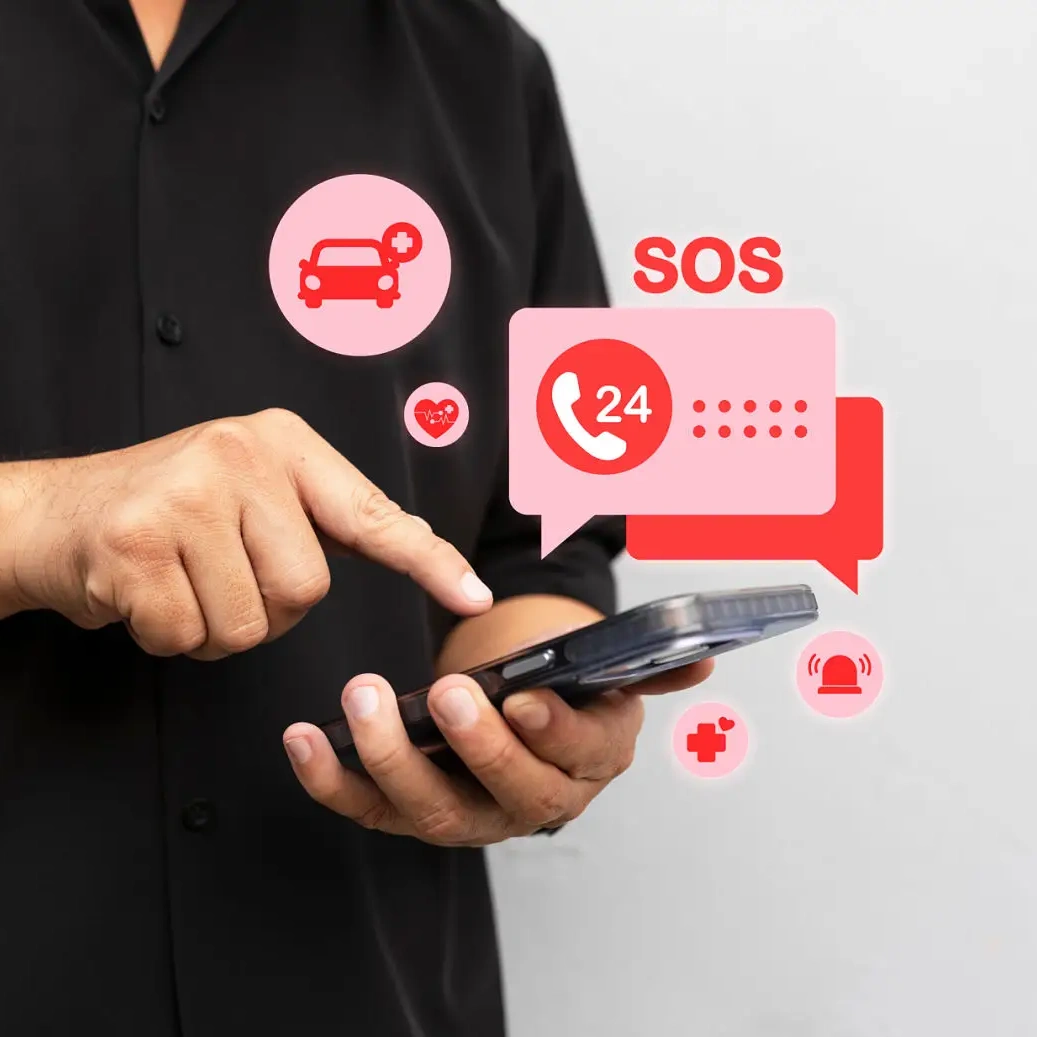
If you or someone you know is experiencing domestic violence, sexual assault, trafficking, or emotional crisis, confidential help is available 24 hours a day, 7 days a week. The following trusted hotlines provide free, confidential support, safety planning, and connections to local resources.
National Domestic Violence Hotline
Phone: 1-800-799-SAFE (7233)
TTY: 1-800-787-3224
Text: Text "LOVEIS" to 22522
Website Chat: Available online
Description: Provides confidential crisis intervention, emotional support, and personalized safety planning for individuals experiencing domestic violence. Advocates can connect callers to local shelters and community-based services nationwide.
National Sexual Assault Hotline (RAINN)
Phone: 1-800-656-HОРЕ (4673)
Website Chat: Available online
Description: Offers confidential support for survivors of sexual assault and abuse. Connects individuals to local rape crisis centers and provides information about medical, legal, and emotional support options.
988 Suicide & Crisis Lifeline
Dial: 988
Description: Provides immediate emotional support for individuals experiencing mental health crises, suicidal thoughts, or severe distress. Available 24/7 via phone, chat, or text.
Missouri Domestic Violence Hotline
Phone: 1-800-770-END-H (3634)
Description: Statewide Missouri hotline offering crisis intervention and direct connections to local domestic violence shelters, advocacy programs, and emergency services throughout Missouri.
Missouri Coalition Against Domestic & Sexual Violence (MCADSV)
Description: A statewide network that connects individuals to local domestic and sexual violence programs across Missouri. (Administrative office; not a 24/7 crisis line.)
National Human Trafficking Hotline
Description: Confidential support for victims of human trafficking. Provides crisis assistance, safety planning, and referrals to local service providers.
Emergency Notice
If you are in immediate danger, please call 911.
National Domestic Violence Hotline: 1-800-799-SAFE (7233)
Text 'START' to 88788
Website: www.thehotline.org
Thru The Eyes of The Community Inc.
Serving survivors of domestic violence, homelessness, and their families.
Add your local contact number, website, and address here.
Signs of Domestic Violence
Physical Signs:
- Unexplained bruises, black eyes, broken bones, or other injuries
- Frequent 'accidents' or repeated emergency room visits
- Wearing long sleeves or heavy makeup to cover injuries
- Signs of being restrained (marks on wrists, neck, etc.)
Emotional & Psychological Signs:
- Extreme fear of a partner or ex-partner
- Low self-esteem, depression, anxiety, or suicidal thoughts
- Sudden withdrawal from family and friends
- Constant apologizing or self-blame
- Feeling controlled, monitored, or intimidated
Behavioral Signs:
- Partner checks phone, email, or social media excessively
- Isolation from support systems
- Partner makes all decisions (finances, clothing, activities)
- Fearful behavior when receiving texts or calls
Financial Abuse Signs:
- No access to money or bank accounts
- Being forced to account for every dollar spent
- Partner prevents employment or sabotages work
Sexual Abuse Signs:
- Being forced into sexual acts without consent
- Fear of refusing intimacy
- Reproductive control (refusing birth control, forced pregnancy)

Community Outreach & Collaboration
Community outreach strengthens awareness and expands access to services. Through partnerships with local organizations, we enhance referrals, share resources, and build coordinated responses. Collaboration ensures survivors receive comprehensive, timely support tailored to evolving community needs.
Request a Speaker
Our speakers provide education and insight on domestic violence, survivor support, and community responsibility. Presentations are tailored for schools, organizations, and community groups, promoting awareness, prevention, and informed action that strengthens collective impact.

Learn More About Our Work
Discover how our programs support safety, healing, and long-term independence for survivors and families in need.